Distances are short: everything here lies within an hour of downtown, and most of it within 20 minutes.
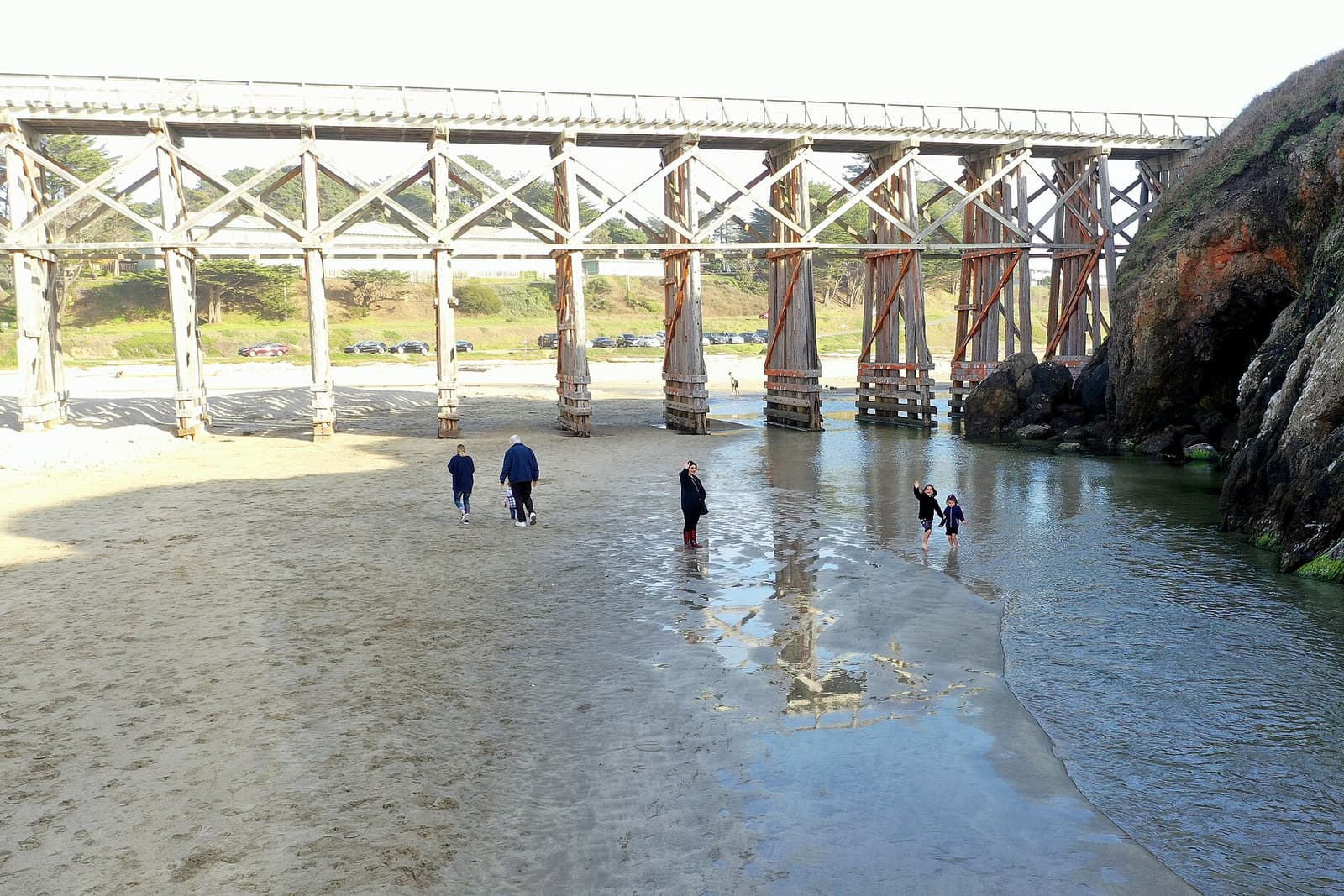
What to see in and around Fort Bragg
Ten places, each with its own guide, from sea-glass coves to pygmy forests.
In Fort Bragg
 In Fort Bragg
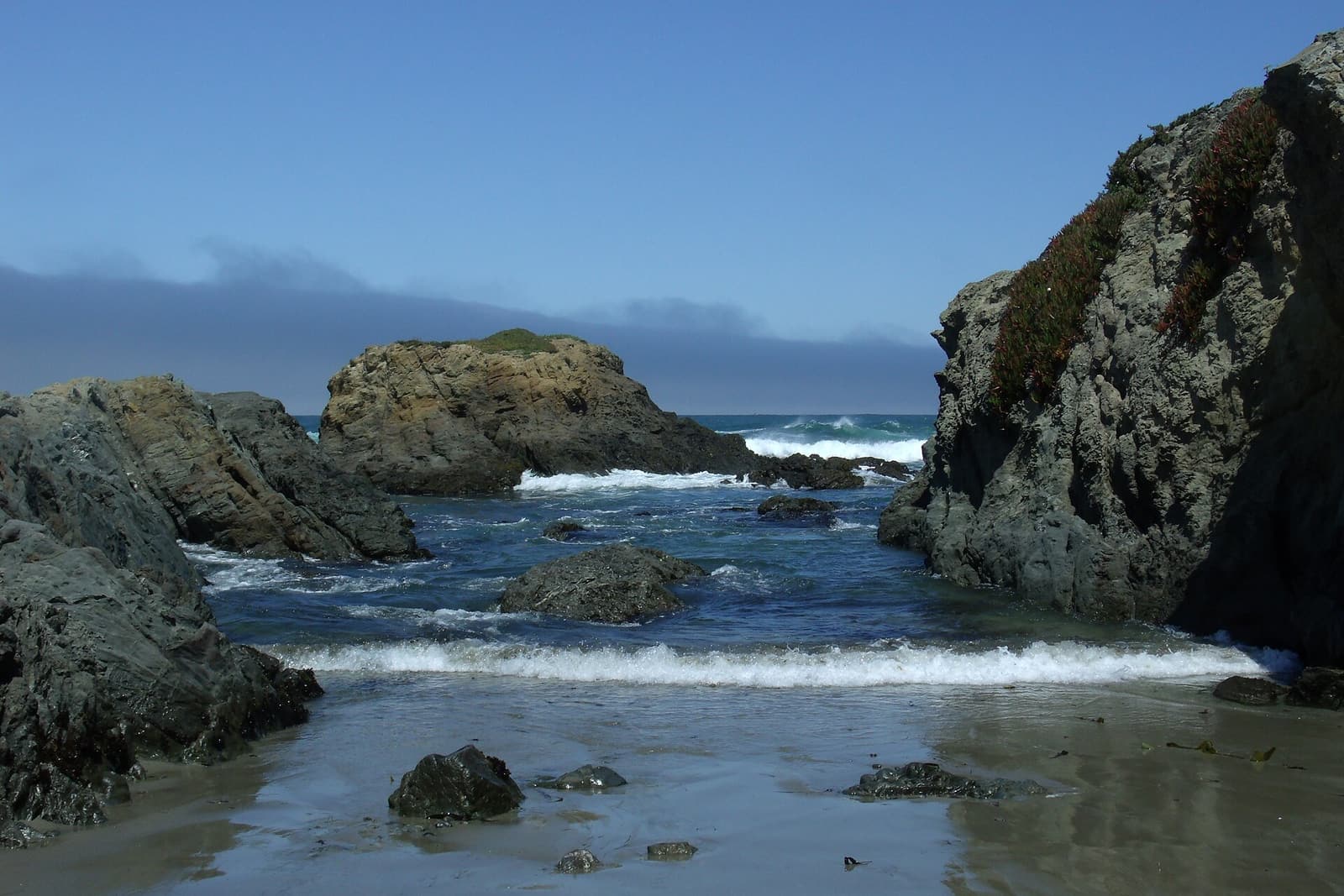
Glass Beach
A former town dump, polished by the Pacific into sea glass
For decades Fort Bragg dumped its rubbish over these bluffs. The ocean ground the glass into smooth pebbles, and the site is now protected as part of MacKerricher State Park. Look, photograph, and leave every piece where it lies.
 In Fort Bragg
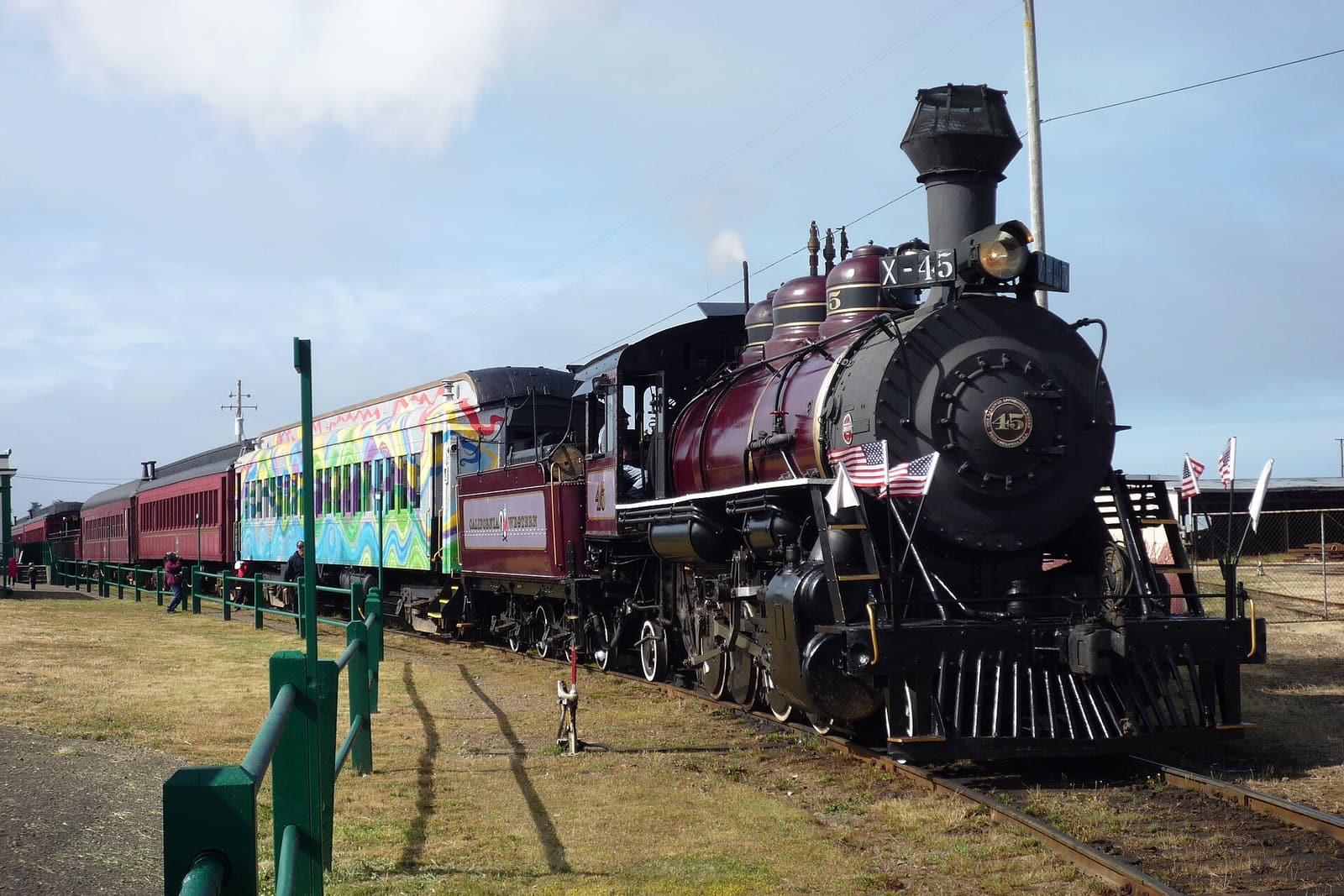
Skunk Train
A logging railroad from the 1880s, now a ride into the redwoods
The California Western line was built to haul redwood logs from the Noyo River forests to the mill at Fort Bragg. Today its trains and railbikes leave from the depot downtown for Glen Blair Junction and deeper along the rails.
 In Fort Bragg
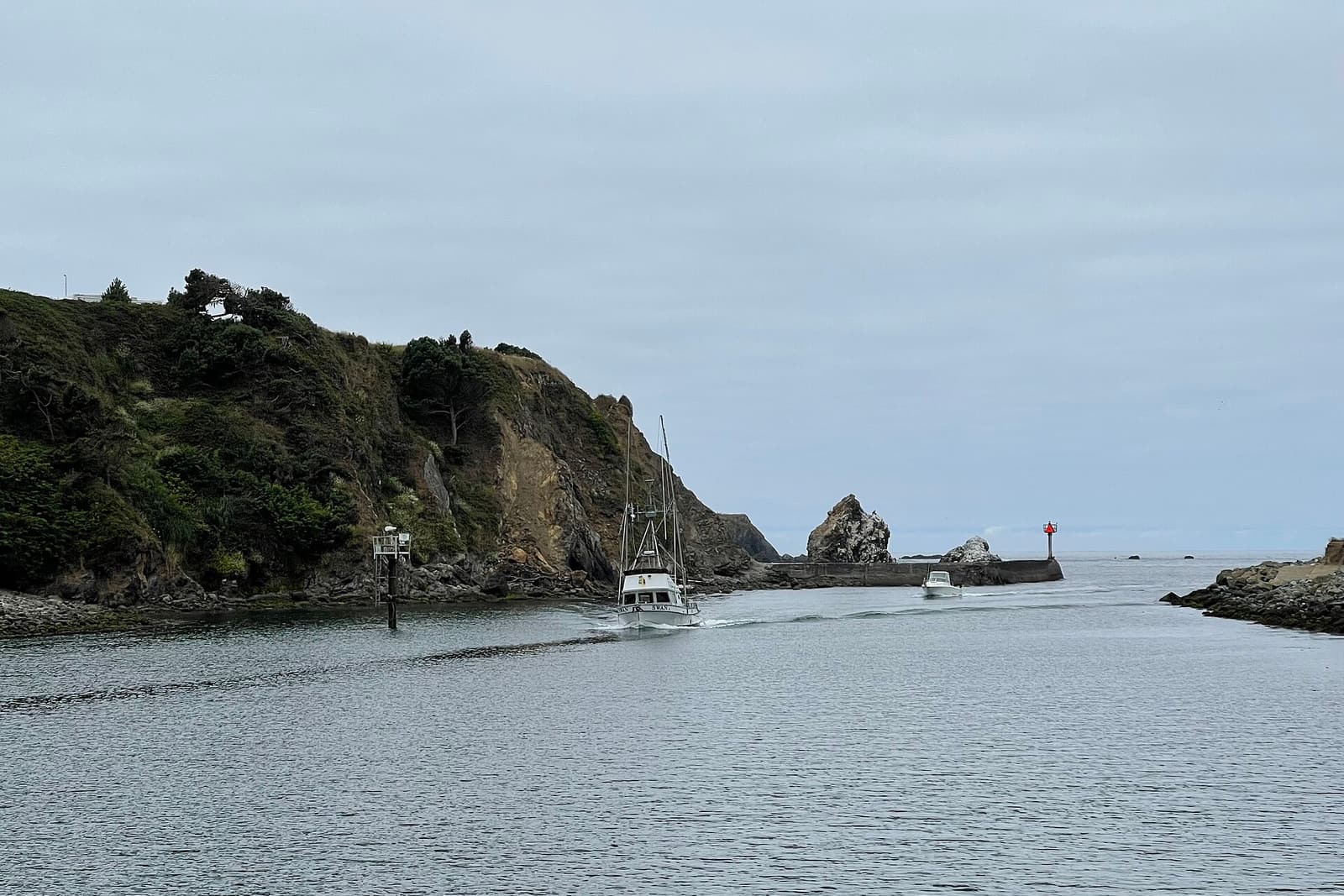
Noyo Harbor
The working fishing port at the mouth of the Noyo River
Below the Highway 1 bridge, crab boats and salmon trollers tie up beside seafood shacks, sea lions and a small beach. It is the place for fresh fish, a charter boat and the best sunset in town.
In Fort Bragg Noyo Headlands & Pudding Creek Trestle
Miles of paved bluff trail on the old mill site
When the lumber mill closed in 2002, the shoreline it had fenced off for a century slowly opened to the public. The Coastal Trail now follows the bluffs for several miles, and to the north the restored Pudding Creek Trestle carries walkers across the creek mouth.
North of town
 North of town
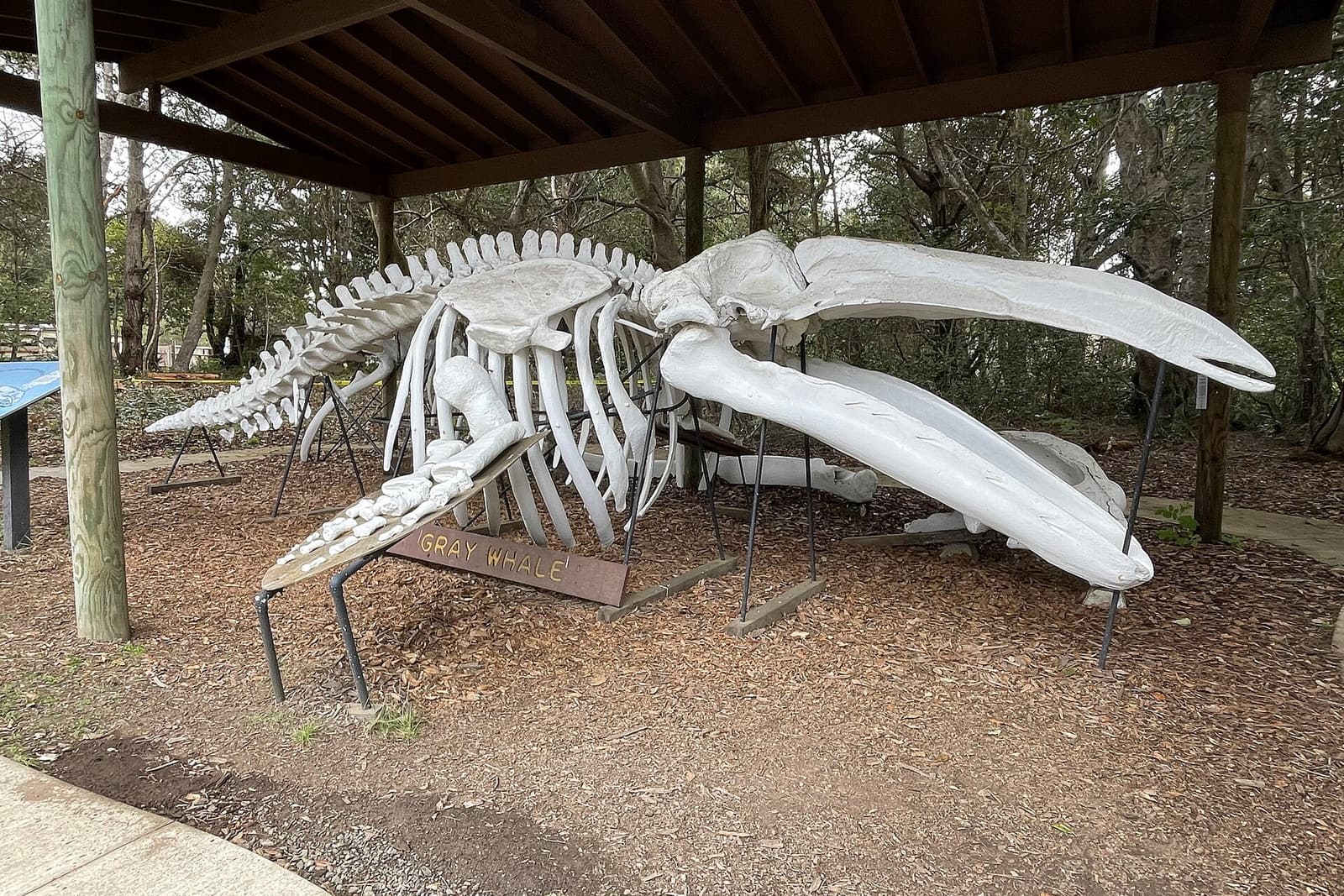
MacKerricher State Park & Laguna Point
Seals, dunes, tide pools and a wide-open beach
This long coastal park begins just north of Fort Bragg. A boardwalk leads to Laguna Point, a favorite spot for harbor seals and passing whales, while the old logging haul road runs north toward the Ten Mile Dunes.
South along the coast and inland
 South along the coast and inland
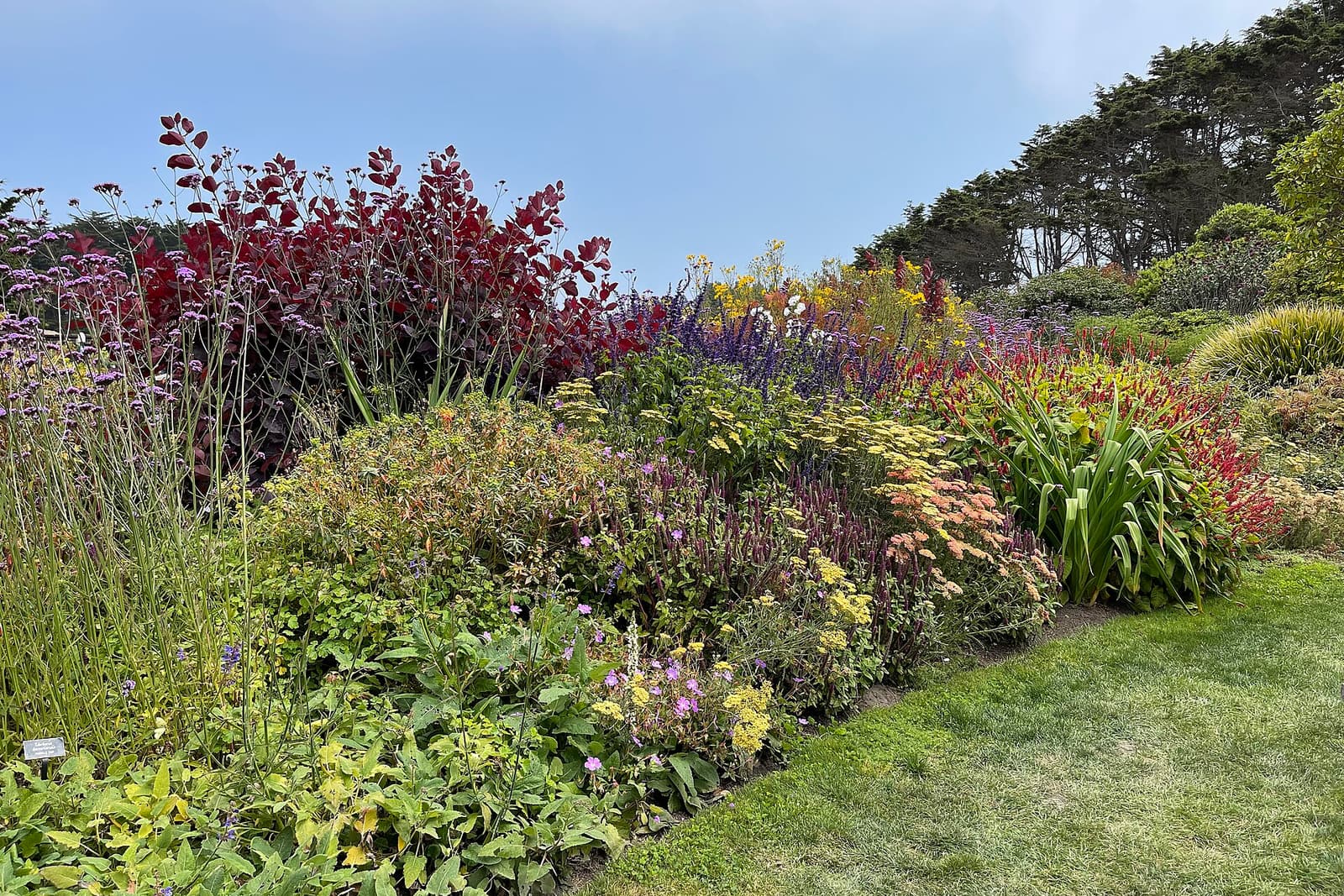
Mendocino Coast Botanical Gardens
Gardens that run all the way to the ocean bluffs
About 47 acres of cultivated gardens, native pine forest and coastal bluffs just south of Fort Bragg, known for rhododendrons, heaths, dahlias and winter camellias. Paths end at the Pacific, where whales can pass in season.
 South along the coast and inland
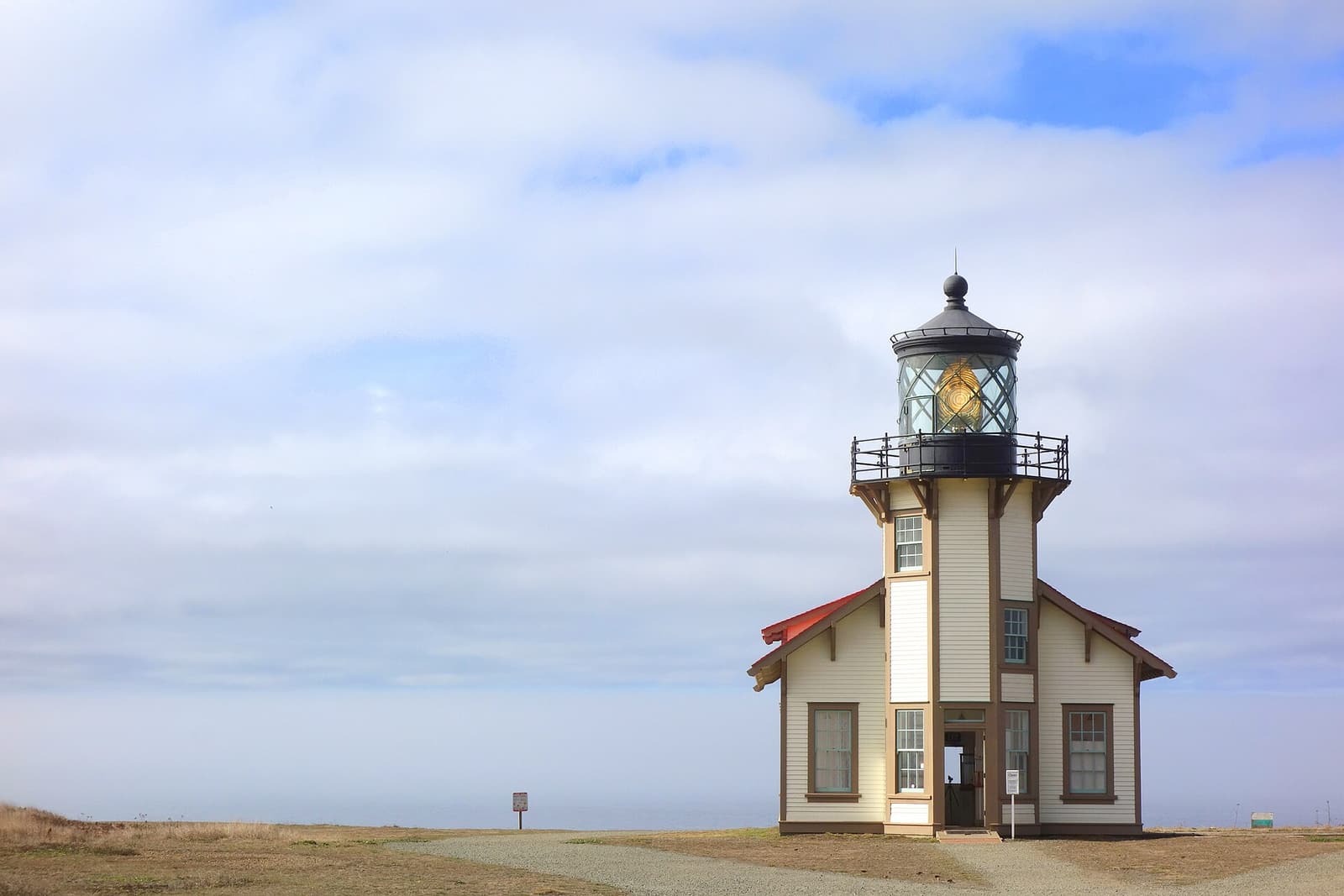
Point Cabrillo Light
A restored 1909 lighthouse on a windswept headland
Built after the wreck-strewn lumber trade made this coast notorious, Point Cabrillo Light Station is now a state historic park with a working Fresnel lens, a small museum and one of the coast’s best whale-watching bluffs.
 South along the coast and inland
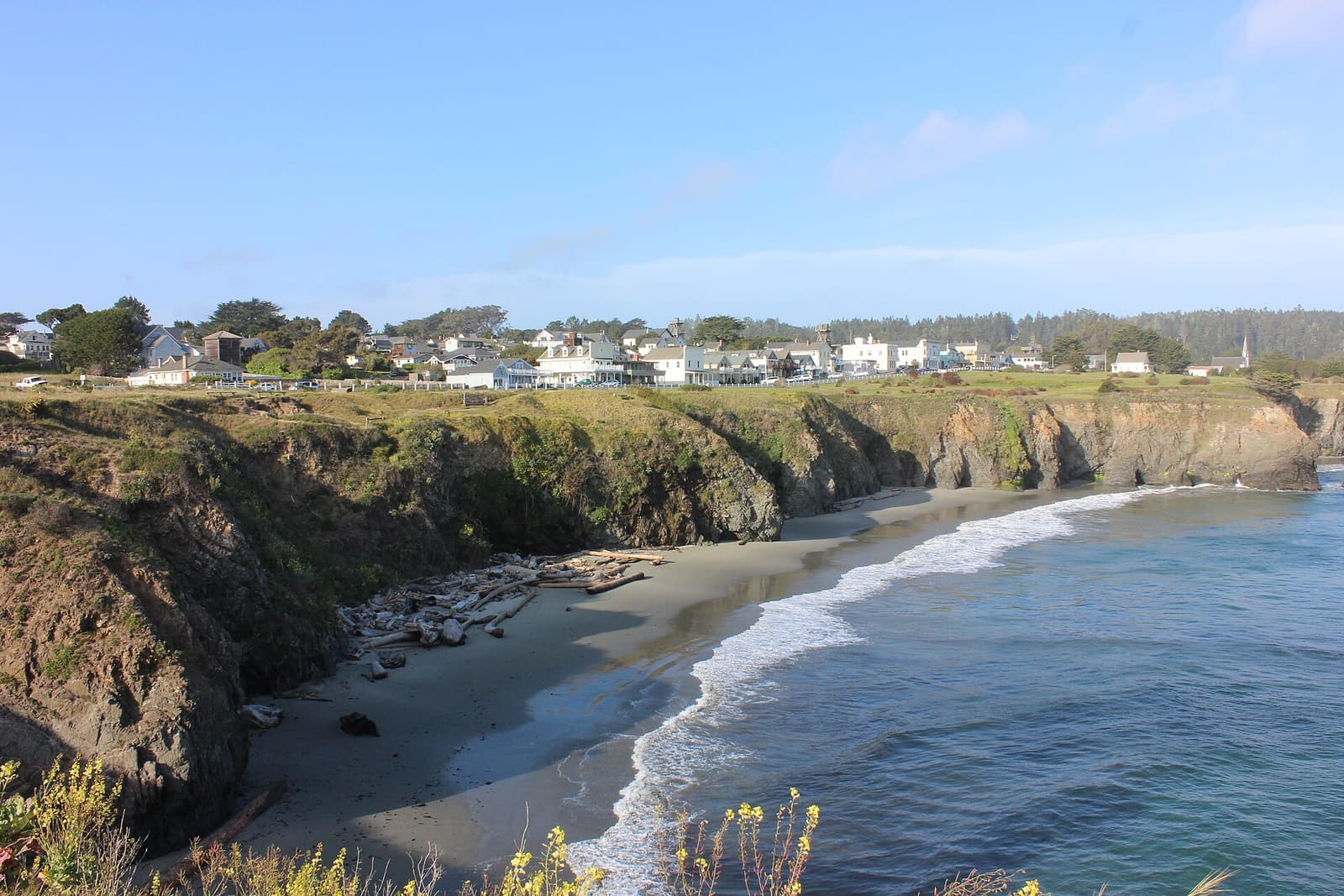
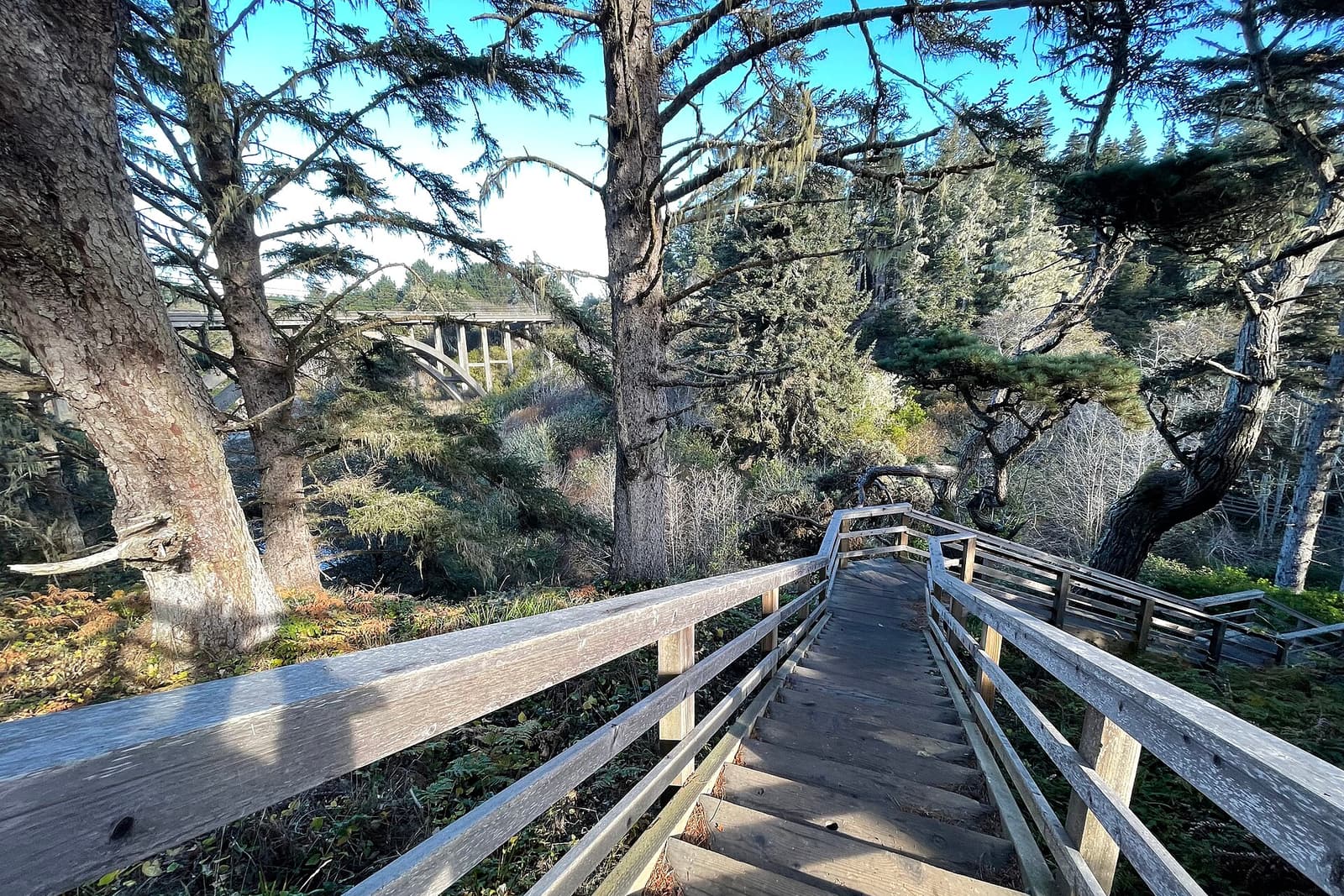
Mendocino Village
A New England-style village on a California headland
About 10 miles south of Fort Bragg, this preserved lumber town of water towers and white-painted houses sits on a headland almost surrounded by sea. Galleries, inns and the trails of Mendocino Headlands State Park fill a slow day.
 South along the coast and inland
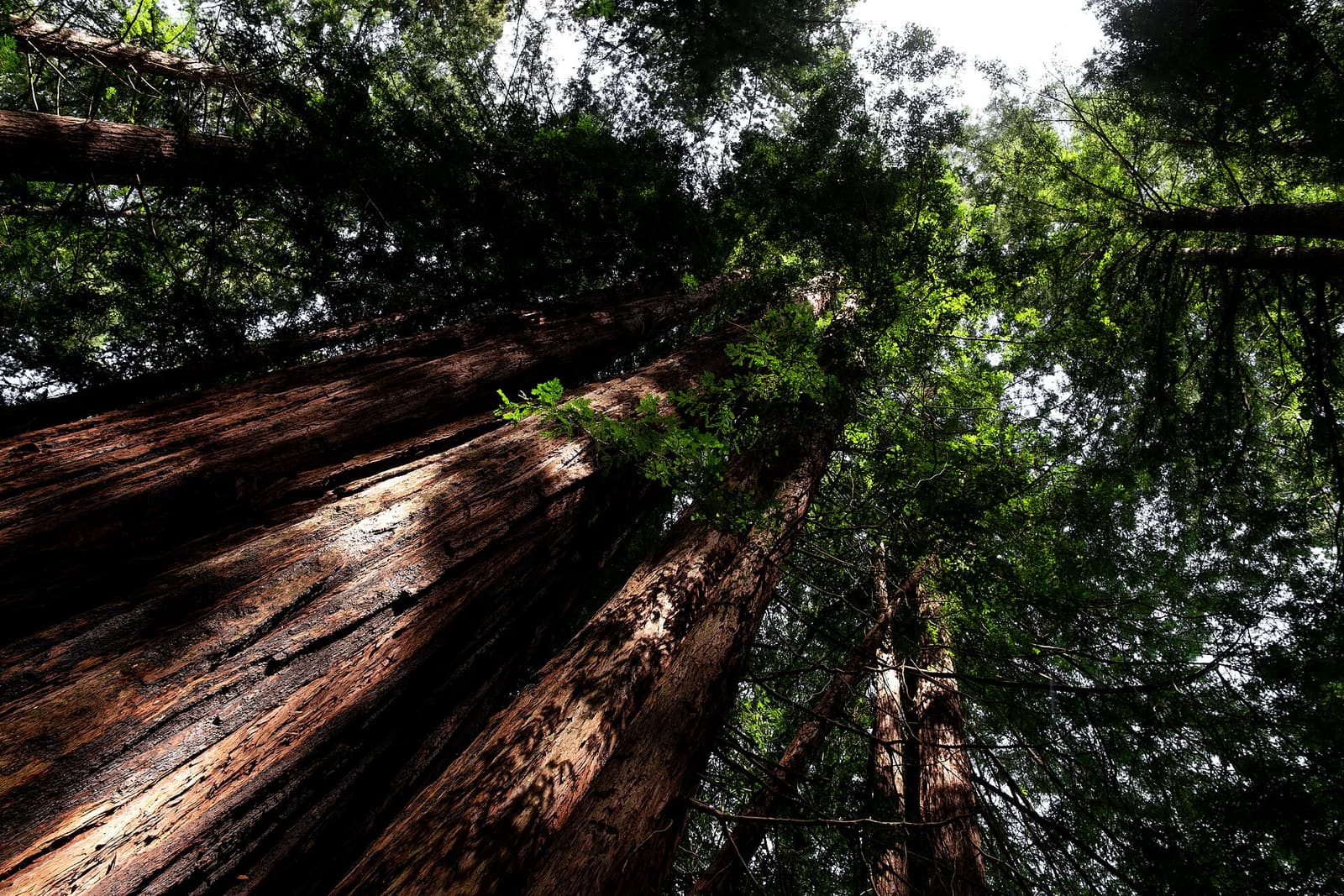
Jug Handle State Natural Reserve
Walk up an “ecological staircase” through 500,000 years
Waves and rising land have carved this coast into giant terraces, each older than the last. The Ecological Staircase Trail climbs from headland prairie through redwood and fir to a pygmy forest of stunted trees.
 South along the coast and inland
Redwoods near Fort Bragg
Where to walk among the giants from the coast
The coast itself is mostly bluffs and pines, but redwoods fill the valleys just inland. Russian Gulch, Hendy Woods, the Navarro River corridor and the rail line along the Noyo all put you among them within a short drive.
Want to see them in order? Our itineraries link them into easy days. For more of the state, see the wider guides on our sister site CaliforniaTravel.com.
Plan your Fort Bragg trip
Few tours, small groups. Check your dates.
Fort Bragg has only a handful of bookable experiences, and railbikes seat few people. Weekends and holidays go first, so compare the options and reserve your place.